What to look for from a quick walk around
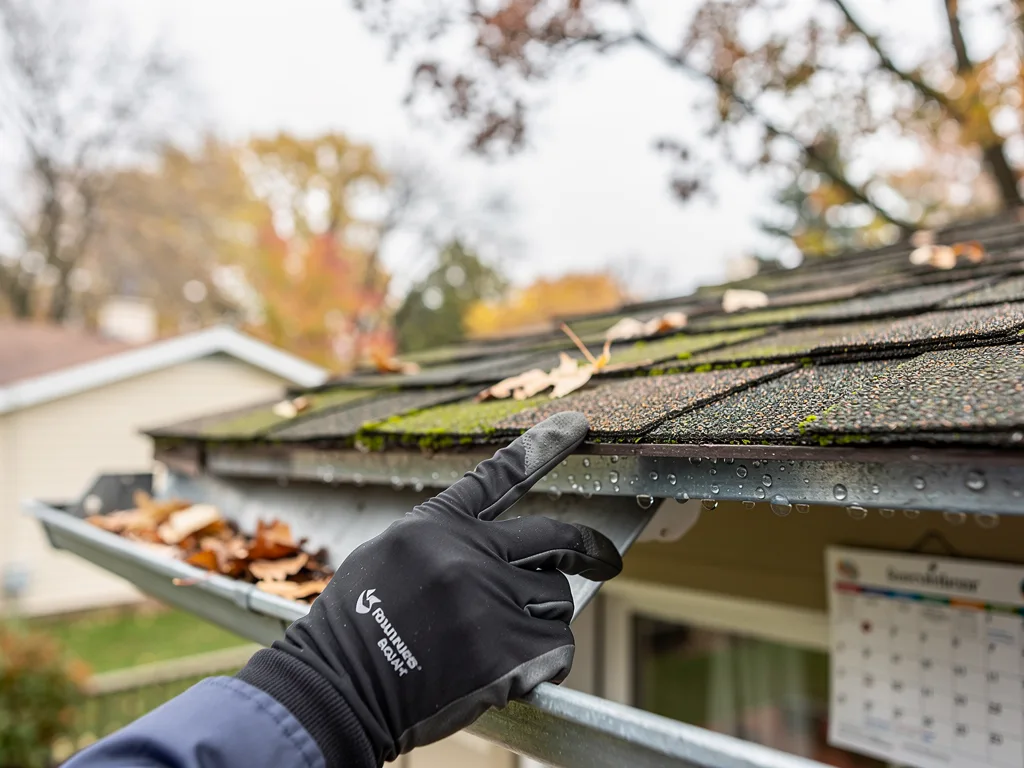
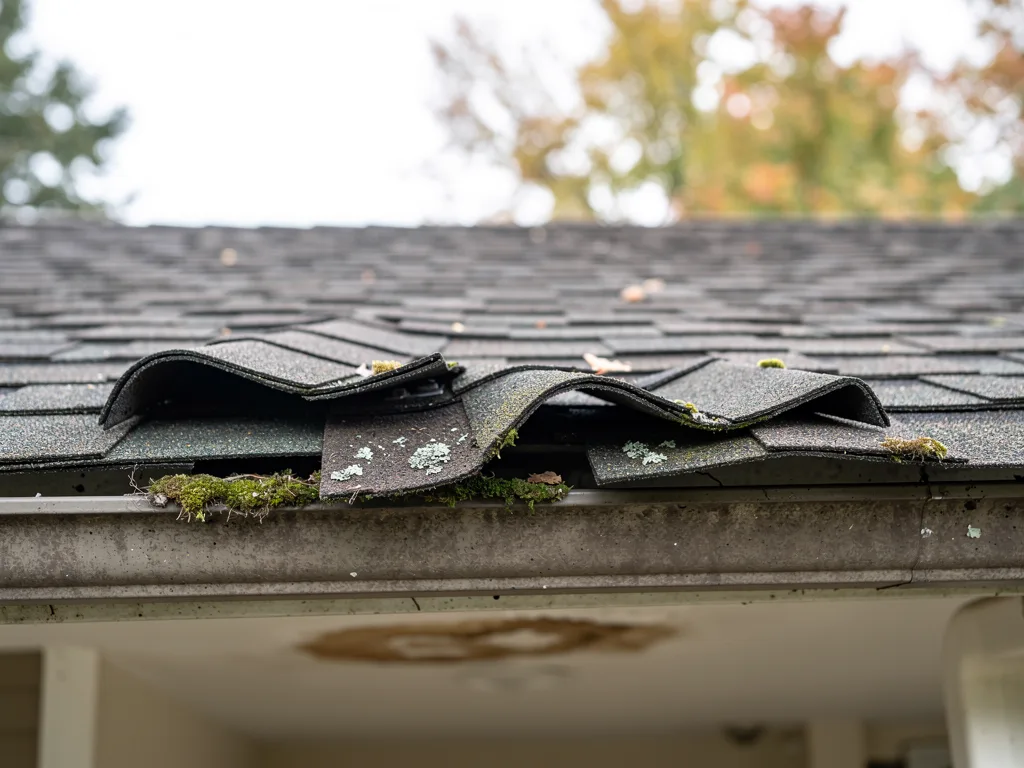
Southfield Roofing Pros often starts with a simple visual check. From ground level, look for curling or buckling shingles, missing granules on the driveway, and dark streaks on exterior walls near the attic. If you see shingles that lift with a fingernail or you notice a patchy roof line, that's a heads up that moisture is finding its way through.
Inside the attic, inspect the underside of the roof deck. A damp or stained plywood panel means water is penetrating the layers above. Take note of any daylight peeking through the rafters as well. In Southfield’s climate, shifts in temperature and frequent freezes can stress shingles and flashing, creating sneaky leaks over time.
Why these signs matter for Southfield homes
North-facing slopes in Southfield can trap moisture longer, speeding up deterioration of underlayment. Humid summers plus winter freeze cycles stress older roofs faster than you’d expect. If you spot granule loss near downspouts or damp spots on ceilings, it’s not just a cosmetic issue; it points to potential structural concerns if left unaddressed.
Our goal at Southfield Roofing Pros is to help you catch problems early. Early intervention often means fewer repairs and less disruption to your family. We’ll tailor advice to your roof’s age, material, and the specific weather patterns Southfield experiences.
What to do next
If you notice these warning signs, call our team for a professional assessment. A roofer will safely inspect the shingles, flashing, and attic ventilation to determine whether you’re facing minor repairs or a larger replacement. In many cases, a mid-spring inspection helps you avoid summer heat and storms that stress roofs in this area.
Key takeaways
- Watch for curling shingles and granule loss on the ground
- Check attic for damp spots or daylight leaks
- Schedule a professional inspection before the heavy storm season